You can quickly leave this page at any time by pressing the icon floating on the right hand side of this page. Please note this will not delete your browsing history
Blog
Read Women’s Health Tasmania’s blogs for up-to-date information on current health issues.
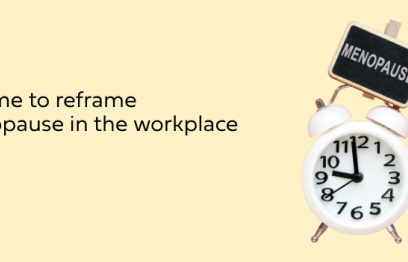
Perimenopause kicks things off – our hormones fluctuate, then drop off a cliff. After menopause (12 months since our last period – byeeeee!), changes continue.
Symptoms can range from ‘changes, what changes?’ to ‘what is HAPPENING to my life?!’.
Gone are the days when we thought menopause didn’t affect women until late mid-life, as they approached their 50s and 60s – now we know menopause often starts in the 30s or 40s, and for some women, even earlier. It’s not surprising, then, that research shows 81% of Australian women will transition through menopause while working.
Five non-pharmacological options for helping manage peri/menopause
1 Find good support, this might include friends who are supportive, a counsellor or therapist and/ or a GP who is a member of the Australasian Menopause Society.
2 Move your body in ways that help regulate your nervous system, like walking and yoga.
You may have seen Women's Health Tasmania (WHT), Equality Tasmania and the AMA in the news since Christmas Eve 2025, talking about concerns around the sale of the Hobart Private Hospital to Calvary Health Care (Calvary).
The sale has now been approved by the ACCC and is expected to be finalised in November this year.
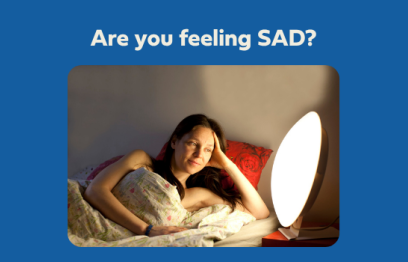
Seasonal affective disorder (SAD) is a type of clinical depression that can occur usually in autumn and winter, just for the season, for at least two years in a row. It involves two or more weeks of excessive sleepiness and hunger, gaining weight, being inactive, loss of enjoyment in usual activities, and depressed mood most days.
The clocks turn back on Sunday 5th April 3am (Easter Sunday) as daylight saving ends.
We want to help you prepare ahead of time, because while some of us love Autumn and the approach of Winter, for others it feels heavy. Darker evenings as the days shorten, cooler weather, putting aside the summer activities we love.
You don’t have to just hope for a healthy brain in your later years. Dementia is not a normal part of ageing, and 45% of all dementia cases are avoidable. We can’t control everything, but small, everyday choices can help you feel more alive, engaged and capable rightnow. AND they can help to support your long-term brain health. Two wins!