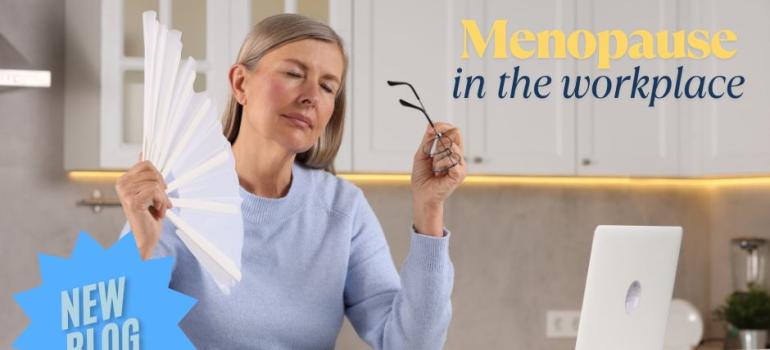
Gone are the days when we thought menopause didn’t affect women until late mid-life, as they approached their 50s and 60s – now we know menopause often starts in the 30s or 40s, and for some women, even earlier. It’s not surprising, then, that research shows 81% of Australian women will transition through menopause while working.
How well are Australian workplaces managing this reality? The answer is mixed. A survey conducted by health and beauty company Dove suggests that while 62% of women are comfortable discussing menopause at work, only 6% are employed by workplaces that offer dedicated menopause support. Clearly, there is room for improvement.
Grace Molloy is up for the challenge. She is the founding CEO of Menopause Friendly Australia, an organisation dedicated to improving women’s experience of menopause at work by providing resources – policies, templates and toolkits – that help workplaces become ‘menopause friendly employers’.
It’s an idea with significant political and cultural weight behind it. Improved workplace support through menopause and perimenopause was a major theme of the recent Senate inquiry into menopause, with the report declaring:
All employers have a responsibility to address stigma around menopause in their workplaces. Implementing organisation wide menopause policies, promoting internal awareness for employees and managers about these issues and sharing menopause-specific workplace resources can all help to address menopause stigma.
Molloy says promoting menopause awareness in the workplace is a good place to start. “Most women don’t know the basic facts about menopause, making it difficult to identify hormonal changes as a potential cause for not feeling well. We’re not taught about menopause in school; we’re not taught about it by our parents. I think it’s kind of ridiculous that something that is going to happen to 50% of the population is still shrouded in secrecy.”
Molloy says the lack of literacy about menopause can have a profound impact on women’s wellbeing, as well as their employment. “[Women] are leaving or scaling back their work, because they are feeling overwhelmed by menopause symptoms, both physical and psychological. They don’t know where to turn for help. Some may feel their stressful work environment is the cause, so they opt out, retire early or scale back their hours to manage symptoms, not realising that there’s help and support available for them.”
Outcomes from Dove’s recent survey support Molloy’s comments. Of the 1,000+ women who participated in the study, 44% reported lower self-esteem and 46% experienced reduced confidence at work because of menopause, with 55% considering quitting or taking time off.
The survey also offered insight into how workplaces can mitigate these impacts. Women who took part in the study identified flexible working arrangements (51%), temperature control (36%), and additional leave (35%) as the most helpful workplace menopause responses, alongside the need for menopause policies and informed support.
Training is also crucial, Molloy suggests. “We’re asking managers, often men, to have a conversation about something they may know nothing about. It’s difficult to empathise without understanding. Training is key to ensuring managers feel confident in having a supportive conversation. Start with the facts about menopause and support managers with information about what they can do to help their team members if they’re struggling.”
Molloy says reframing menopause in the workplace is part of a more widespread opportunity to reimagine menopause as a time of possibility, rather than just another step in the ageing process. “I think there’s a huge opportunity to reframe menopause and to celebrate this time of life. Many women tell us they feel a renewed sense of confidence and empowerment that’s come from opening up the conversation.”
So let your boss know – she might like to celebrate too.
For more information about Menopause Friendly Australia, visit https://menopausefriendly.au/.