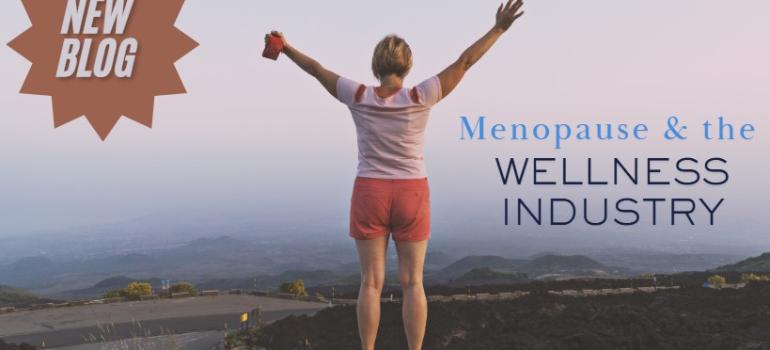
Menopause is having a moment. After decades – possibly centuries – shrouded in reticence and stigma, ‘the change’ has been dusted off and brought out into the sunlight. Women are talking about it in workplaces, with friends, on podcasts, TV shows and social media. Menopause is no longer a secret – huzzah!
Watching a heartily misunderstood women’s health issue cast off its stigma in real time is a cause for celebration, without a doubt. Yet the emergence of menopause into the public consciousness has had an unexpected consequence: namely, the rise of a new sub-genre of the wellness industry targeted specifically at menopausal women.
While this in itself isn’t sinister, women’s health experts say the associated commercial incentive to catastrophise menopause in order to drive women to purchase unproven wellness products, is.
Professor Susan Davis, director of Monash University’s women’s health research program, says around 30% of women experience severe symptoms of menopause, meaning around 70% of women navigate menopause free of major ailments. But you wouldn’t know this from the scale of the online menopause industry. A report from Jean Hailes warns, “an increasing number of commercial organisations and health advocates are moving into a global menopause market that, by some estimates, will be worth more than US$24.4bn by 2030”.
Depending which algorithms you’ve triggered on Facebook, you may have encountered the type of products that characterise this market: expensive herbal supplement regimes that claim to remedy everything from brain fog to bloating; flavoured collagen sachets that promise to re-hydrate menopausal skin; weekly recipe subscriptions guaranteed to reverse menopause weight gain.
Let’s face it, there’s no shortage of menopause-related conditions – some real and some the construct of an ageist and sexist society – that women traversing midlife may be enticed to alleviate. Unfortunately, despite their big claims and hefty price tags – not to mention their dozens of adherents who may or may not be paid influencers – very few, if any, of these products, have an evidence base.
Prof Davis says, “It’s a concern that there are influencers on social media and advertisers recommending a whole lot of stuff for menopause that isn’t necessarily effective or safe. Women are spending a lot of money on stuff that is not going to help them. The majority of over-the-counter, non-hormonal preparations have not been shown to be effective.”
So what can be done to limit the commercial influence of the menopause industry? Experts say upskilling health professionals is key, suggesting the reason so many women turn to the internet for solutions is because they often don’t get the advice they need from local healthcare providers.
Melbourne-based menopause specialist Dr Fatima Khan says that if women visit a health service and don’t get the help they need, “then they are going towards social media and the internet, which of course, isn’t regulated, it’s not fact checked, and so now they’re falling target to solutions which may not have evidence behind them”.
She suggests, “there should be compulsory training of GPs because, for a majority of women, the first port of contact would be their GP.”
It’s may not be quite as exciting as a peach-infused collagen tisane, but for menopausal women, chances are a trip to the GP is still the very best place to start.