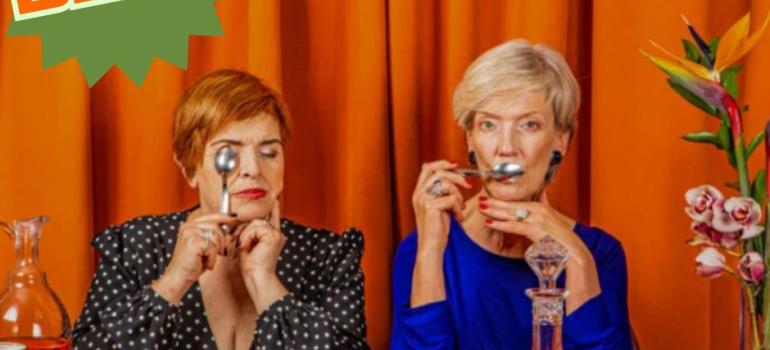
Does sex change when you’re over 50? Are we having it? Is it good? Does it matter less than it used to? How do we feel about it?
These are conversations many of us are not comfortable to have, but we need to talk.
An estimated 30-50% of post-menopausal women experience sexual difficulties. Sexual pain or not feeling as much sexual desire as we’d like are the top reasons people go to a doctor when it comes to sexual issues. The average time people wait before talking with a doctor about their problem is six years.
So, what is getting in the way of this conversation?
Along with lack of time, and thinking there is nothing that will help, often people feel shame. Society makes the (wrong!) assumption that only young people are interested in sex.
So, let’s get this conversation (and the sex life YOU want) revved up!
What do sexual difficulties for over 50s often look like?
It can look like having trouble getting in or staying in the mood, difficulty experiencing orgasm, painful intercourse, less vaginal lubrication, or wanting less or more sex than our partner does. For some of us, having less or no sex is ok. For others, sex is something we want in our lives and these difficulties are distressing.
Why is this happening?
It’s not just menopause, but that can play a part. Falling hormone levels brings a range of changes that can impact sexual desire and function. Mood swings, sleep problems, pelvic floor issues, joint pain, thinner and more delicate vaginal tissue, reduction of natural lubrication, fatigue, and incontinence, to name a few (phew!).
Negative pressure from culture and society about how women are ‘supposed’ to look and behave can be challenging to our sexual identity and self-confidence as we get older. Ideas about what sex is, who it’s for, and how it works can make us think there is something wrong with us. There’s not!
Physical or mental health problems, side effects of medications, previous negative sexual experiences, relationship problems, and other stress that mid and older life can bring all contribute to sexual difficulties for people over 50.
Does mum need more support at home? My daughter is so unhappy in her relationship. My diabetes is playing up. My partner is taking me for granted.
…I wonder why I don’t feel like getting it on lately?!
Is there anything we can do to improve our experience of sexual pleasure? Yes! Yes! YES!
Learning about how sexual desire and function works. For you. Now.
Sex is not a ‘one-size fits all’ situation. What works for one person is different to what works for another. And across our lifetime, we experience changes in what works for us.
Notice and reflect on ‘what puts the brakes on desire for me now? What accelerates desire for me now? Is my desire spontaneous, or the more responsive kind that needs time and certain conditions to warm up?’
There are many different reasons to have sex. We might be seeking relaxation, pleasure, connection, play, safety, or a way to express our gender identity. The list goes on. Knowing what we want from sex helps us figure out how to get that.
Focusing on pleasure and arousal instead of performance.
Get back to the basics of touching and enjoying our bodies. Give ourselves permission to experience intimate connection with ourselves and/or a partner without penetration.
We live in a phallo-centric society which says ‘sex’ means intercourse. Let's enjoy outercourse!
And remember that solo-sex (masturbation) is actual sex. We don’t need a partner to have a healthy sex life. Regular sexual activity helps to keep our vaginas healthy. Sexual pleasure is good for us in lots of ways!
Exploring medications and tools.
Menopause hormone therapy (what used to be called HRT) can help many people with the changes that impact enjoyment of sex. Estrogen pessaries and creams increase natural lubrication and wellbeing of vaginal tissue (ask your doctor).
Silicon or water-based lubrication is highly recommended for over 50s and can be purchased online or in pharmacies, wherever condoms are sold. There are orgasm gels, sex toys and vibrators available online, as well.
Looking after your body and mind will contribute to sexual satisfaction.
Improving sleep, getting regular exercise, reducing alcohol, reducing causes of stress where we can. Mindfulness, progressive muscle relaxation, yoga, meditation, dancing, gardening, swimming, and orgasms are just some of the ways we can process the impacts of stress on our mind and body.
Other people who can help include GPs, pelvic floor physiotherapists, counsellors for individuals or couples, or sexologists. Safe and connecting relationships in our lives help us feel good about who we are.
The changes to our bodies, identities and lives that getting older brings can be an opportunity. A chance to really notice what we like and need, to be open to learning about how to support our unique experience of pleasure and satisfaction. Sexual wellbeing is a part of being healthy, but that doesn’t mean it has to be a chore. It can be a goooood time!
References
Come As You Are by Emily Nagoski, Wellness Education Director and Lecturer in Women’s Sexuality https://scribepublications.com.au/books-authors/books/come-as-you-are-9781925106596
The Sex Ed You Never Had by Chantelle Otten, psychosexologist
Being positive about sexual wellbeing after menopause, Australasian Menopause Society
Empowering Your Clients via a Pleasure-Centred Approach to Sexual Health, webinar by ashm