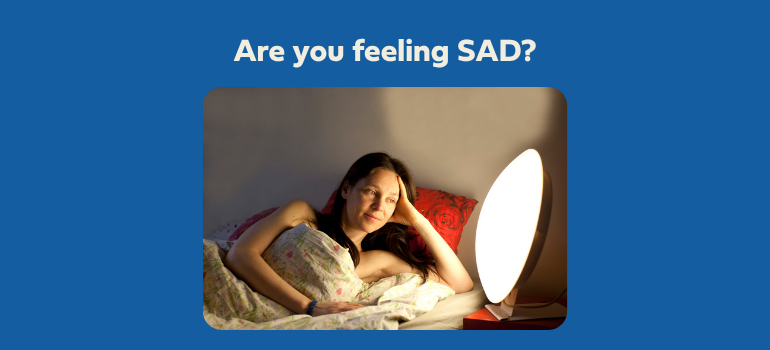
Seasonal affective disorder (SAD) is a type of clinical depression that can occur usually in autumn and winter, just for the season, for at least two years in a row. It involves two or more weeks of excessive sleepiness and hunger, gaining weight, being inactive, loss of enjoyment in usual activities, and depressed mood most days. There is currently a lack of evidence for the rate of SAD in Australia, but across the world it is estimated between 1 – 10% of people experience it. And four out of five of them are women.
Whether you experience SAD, depression, or periods of low mood, winter in Tasmania can be tough in different ways for different people.
We've taken a look at how the winter effects on mood can overlap with different factors of life, and some things that can help manage the winter blues.
For those who have menstrual cycles
Oestrogen is a hormone that helps stabilise mood by supporting serotonin pathways. When it drops the week before a period, especially in the short days of winter, in can bring the mood down with it.
You might want to:
- Notice if your cycle and moods have patterns. Give yourself permission to go slow when you need to. Like the seasons, humans are cyclical!
- Check out whether light therapy is a useful tool for you – even sitting by a window with natural light every morning can be a useful addition to other therapies. Talk to your doctor for other options.
Carers and parents
Things that most help winter blues (getting outside, maintaining social connection, adequate sleep, time for self-care) can be harder when you're caring for others. The mental load that comes with caring for children, ageing parents or someone with a disability or chronic health condition doesn’t pause because winters arrived.
You might want to:
- Talk to your GP if you've struggled in previous winters, so you're not starting conversations in July when you're already depleted.
- If it’s hard to get out on your own, try to savour the small moments like walking to the letterbox in the morning. The air is cold and the sky is deep blue. Notice the shapes, colours and sounds around you. This tiny exposure to cold and quiet can feel like a reset.
Perimenopause
Perimenopause means unpredictable hormone changes, and this can contribute to stronger mood disruptions. Both winter blues and perimenopause can bring fatigue, low mood, sleep disruption, brain fog, and social withdrawal. Numerous treatments can help reduce anxiety, depression and sleep disturbance due to perimenopause, some of them medical and others are lifestyle changes.
You might want to:
- Have an honest conversation with your GP that covers both winter depression and perimenopausal symptoms.
- Prioritise sleep as best you can. Acknowledge that having lower energy when the days get shorter is seasonally appropriate, rather than a sign of failure.
Chronic health conditions
Cold and darkness can worsen pain conditions, reduce motivation for movement and socialising, increase isolation, and disrupt the sleep that is already often compromised. Vitamin D deficiency, which worsens in winter, can amplify both mood and physical symptoms for many conditions. Strategies that help transform mindsets surrounding winter can also equip us to thrive during other difficult seasons of life.
You might want to:
- Review your pain management plan with your GP before winter and create a low-energy version of your winter social plan that is realistic on bad days
- Read ‘Wintering: The Power of Rest and Retreat in Difficult Times’ by Katherine May
Loneliness
Feeling homesick, living alone, or feeling socially isolated can be harder to deal with during winter. You are not alone if this is how you feel.
You might want to:
- Seek out community connections! See what is on offer at your local library, neighbourhood house, through your local council, or through volunteering opportunities.
- Tell a GP, community health worker, or call a helpline (like A Tasmanian Lifeline or Beyond Blue) if you are finding winter tough.
Financial and housing stress
Winter is harder when you're cold, stressed about rent, or uncertain where you'll be sleeping. Everyone needs help sometimes.
You might want to:
- Access emergency energy hardship funds if winter bills cause stress - Salvation Army, Anglicare, and Uniting offer emergency assistance for utility bills. The No Interest Loans Scheme (NILS) can offer support with essentials like bond and rent in advance, car repairs & rego, or medical services.
- Connect with financial counsellors through community legal centres or the National Debt Helpline (1800 007 007).
- Contact Housing Connect on 1800 800 588
Living with low mood during winter can affect different people in a variety of ways. But there ARE things that can help. Call Women’s Health Tasmania if you want help to find the supports that will best work for you.
References
Seasonal depression may be 'under-recognised' in Australia so what are the symptoms? ABC, 2024 www.abc.net.au/news/health/2024-07-09/seasonal-depression-in-australia-diagnosis-and-treatment/104031848
The underexplored presence of seasonal affective disorder in the southern hemisphere: A narrative review of the Australian literature, Journal of Psychiatric Research, 2023 www.sciencedirect.com/science/article/pii/S0022395623001899
SAD and how to support yourself through months of less light, Wintertime Mindset, Kari Leibowitz www.karileibowitz.com/winter-mindset
SAD lamps: do they work? Experts explain how they help the winter blues, The Conversation, 2023 theconversation.com/sad-lamps-do-they-work-experts-explain-how-they-help-the-winter-blues-216951